The Illusion of Skill in Casino Games
One of the most persistent myths in the realm of casino gambling is the belief that skill can significantly influence the outcome of games primarily designed around chance. While certain games like poker and blackjack do incorporate an element of skill, many casino games, such as slots and roulette, operate solely on random outcomes, which is why players often turn to the best online casino for a fair experience. The idea that a player can consistently beat the house through strategy is misleading and often leads to disappointment. Understanding the distinction between skill-based games and pure chance is crucial for any gambler.
Another aspect contributing to this myth is the promotion of strategies often found in gambling literature or forums claiming to provide an edge. These strategies can create the false impression that success is within reach. For instance, betting systems like Martingale or Fibonacci might seem appealing, yet they do not change the house edge and often result in substantial losses. Players who rely on these methods may find themselves in a cycle of chasing losses, which only leads to further frustration and financial strain. Recognizing that many of these strategies are based on flawed reasoning helps players adopt a more realistic perspective on their gambling.
Furthermore, casino operators are increasingly transparent about the odds of their games, highlighting the inherent risks involved. Despite this, many players cling to the hope that they can overcome the odds through strategic play. This myth can lead to overconfidence, and many gamblers may find themselves unprepared for the reality of losing streaks. Understanding that luck plays a significant role in gambling, and embracing the randomness of the outcome can lead to a healthier approach to gaming in casinos. Accepting that players cannot control outcomes fosters a more enjoyable and less stressful gambling experience.
The Belief in Lucky Locations
Another enduring myth in casino culture is the belief that certain locations, such as specific casinos or even particular slot machines, are “luckier” than others. This superstition often arises from anecdotal success stories shared among gamblers. A player hitting a jackpot on a specific machine might lead others to believe it’s a good spot, encouraging them to flock to that machine in hopes of replicating the outcome. However, all machines are programmed with random number generators that ensure fairness and equal chance, meaning that prior outcomes have no bearing on future results.
This belief is further fueled by the ambiance of casinos, which are designed to heighten excitement and encourage patrons to engage more. The brightly colored lights, the sounds of winning, and the general atmosphere can contribute to a perception of luck based on previous encounters. It’s essential to recognize that these stimuli can create an illusion of fortune that influences gambling behavior but are not based on statistical reality. Players may find themselves drawn to certain locations or machines based on these illusions, leading to misguided expectations and often, to disappointment.

Cultural influences also play a role, as various traditions and beliefs about luck can affect how gamblers perceive their experiences. For instance, some may carry talismans or follow rituals before playing, thinking these actions will enhance their chances. However, these practices lack any empirical foundation and can lead to misleading conclusions about gambling outcomes. Ultimately, understanding the reality of odds can liberate gamblers from these superstitions and encourage more responsible gaming habits. By focusing on the actual mechanics of the games rather than myth, players can make informed decisions and enjoy the experience without undue stress.
The Misconception of Winning Streaks
The idea that winning streaks can be predicted and repeated is a common myth among gamblers. Many players believe they can identify patterns in outcomes, particularly in games of chance like roulette or slot machines. This belief is often rooted in the gambler’s fallacy, where individuals erroneously think that past events will influence future probabilities. For example, if a slot machine has not paid out for a while, a player may feel it is “due” for a win, leading to irrational betting behaviors that can result in substantial losses.
This myth is dangerous because it can lead to significant financial loss. Players may increase their bets or continue playing longer than they should, convinced that a winning streak is imminent. The reality is that each spin of a slot machine or roll of the dice is independent of previous outcomes; the randomness of these games means that past results do not influence future ones. Understanding this randomness is vital for making prudent choices rather than getting swept up in the notion of inevitable wins.
Moreover, the psychological aspects of gambling can make it challenging for players to recognize when they are falling victim to these myths. The thrill of winning can trigger emotional highs that influence future gambling decisions. As a result, players may overlook the importance of responsible gambling practices. Recognizing that winning is not guaranteed and that outcomes are based on chance can help individuals develop more realistic expectations about their gambling experiences. This understanding can foster healthier habits and a more enjoyable gambling environment.
The Fallacy of Control Over Outcomes
Many gamblers fall prey to the belief that they can control the outcome of games through various tactics, often leading to misguided strategies in their gameplay. For instance, players may think that by adopting specific betting patterns or timing their bets, they can sway the odds in their favor. This idea is fundamentally flawed, particularly in games governed entirely by chance, such as slots and roulette. The mechanisms behind these games make outcomes unpredictable and beyond players’ control, regardless of their strategies.
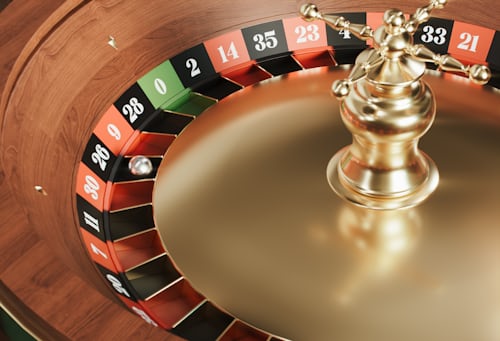
The urge to feel in control can also result from the emotional highs associated with winning. When players experience success, they may mistakenly equate their actions with skill rather than chance. This can create a false sense of confidence, leading to riskier behavior in future gambling sessions. The reality is that for every winning spin or hand, there are an equal number of potential losses. Recognizing the unpredictable nature of gambling can help players foster a more responsible and enjoyable gaming environment.
Moreover, advancements in technology have made it possible for casinos to ensure fairness and randomness in their games. RNGs (Random Number Generators) are utilized in electronic games to ensure that every outcome is entirely random. This technology emphasizes the importance of understanding that gambling outcomes are determined by chance rather than player intervention. Ultimately, recognizing the lack of control over these games can help gamblers develop a more realistic approach and appreciate the entertainment aspect without the pressure of expecting specific outcomes.
Understanding Responsible Gambling and Resources
For those looking to enjoy casino gaming while maintaining responsibility and awareness, it’s vital to understand the importance of moderation and self-regulation. Responsible gambling encompasses setting limits, recognizing personal triggers, and being aware of when to step back. It’s not just about winning or losing but building a healthy relationship with gaming. Gamblers should prioritize enjoyment rather than the pursuit of profit, ensuring that gaming remains a fun and entertaining activity rather than a source of stress or anxiety.
Various resources exist to promote responsible gambling, including educational programs that inform players about the risks involved and strategies for managing their gambling behavior. Many casinos are proactive in providing support and self-exclusion programs for patrons who may need assistance in controlling their gambling habits. Additionally, online platforms often feature educational materials that address common myths, helping players make informed decisions. These resources aim to create a safer gambling environment for all, encouraging individuals to seek help if they feel overwhelmed.
Engaging with platforms dedicated to gambling awareness can also serve as a valuable tool for maintaining responsible habits. Such websites often provide insights into the mechanics of various games, the odds involved, and the realities of gambling. By arming themselves with knowledge, players can approach gambling with a clear perspective and a better understanding of the challenges and rewards involved. In conclusion, knowing and addressing the myths surrounding casino gambling is essential for enhancing the overall experience and promoting a culture of responsible gaming. By embracing informed practices, players can enjoy their time in casinos while minimizing potential pitfalls.